

This Changed How I See the Future of Fibroid Care
Why I left feeling hopeful, why women are still falling through the cracks, and why personalised care matters more than ever.

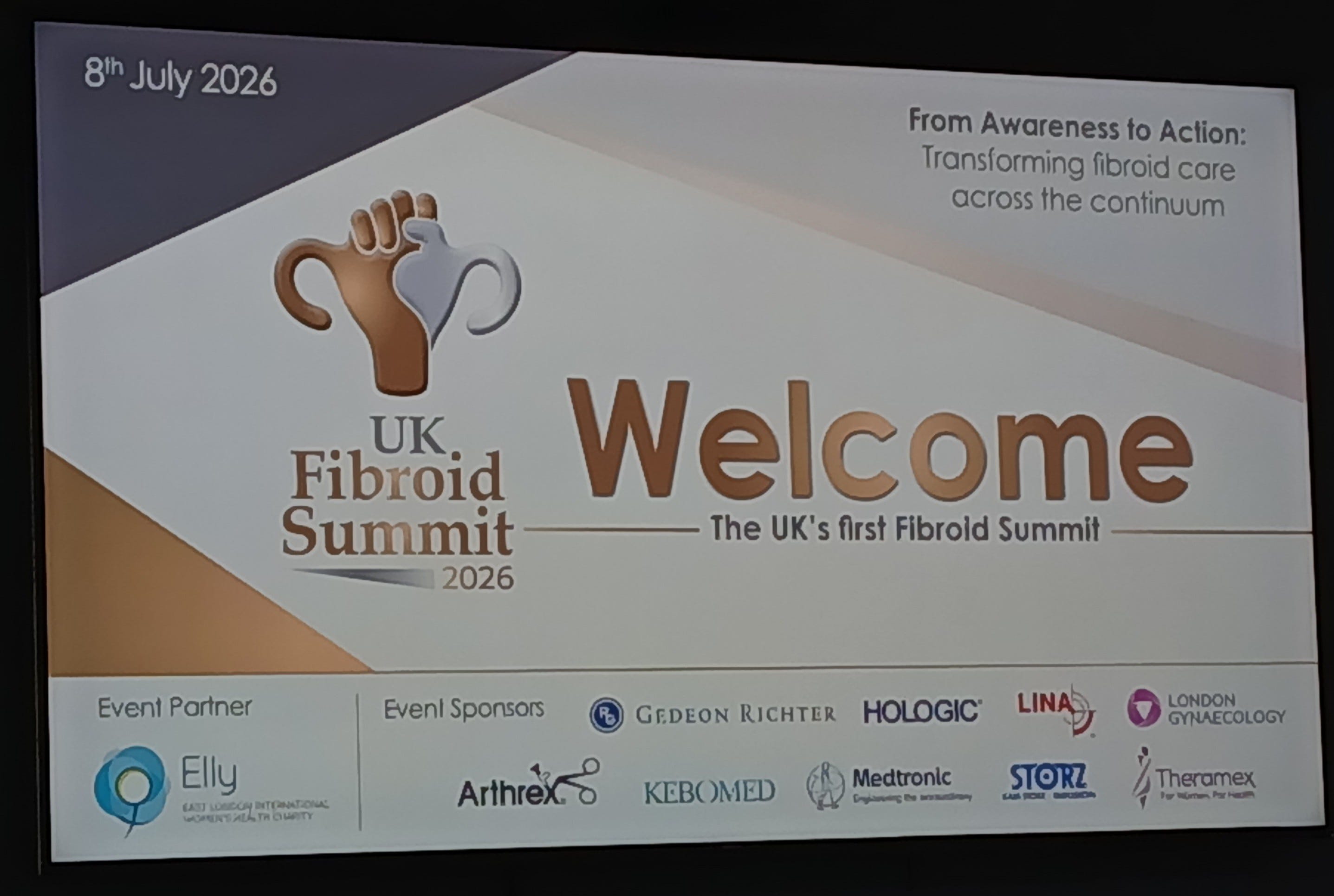
The inaugural UK Fibroid Summit gave me something I wasn’t expecting: hope.
Organised in a remarkably short space of time by two consultant gynaecologists, the event brought together clinicians, researchers, women with lived experience, advocates and policymakers with one shared goal: to improve fibroid care in the UK.
Even the President of the Royal College of Obstetrics and Gynaecology – Alison Wright – shared her personal story with fibroids and heavy bleeding. To have someone who truly understands what the suffering is like head one of the biggest training grounds for UK gynaecologists is fabulous. However, where there is hope, there are also many challenges, so let me walk you through the highlights of the day – the good and the not so good.
There was talk of changing the dynamics of fibroid care, perhaps working as an integrative team rather than the current hierarchy – where we are all separate, trying to do our own thing, often working against each other, with medics being the dominant force.
Personally, I had no idea there were so many medical experts who genuinely cared until I walked into that room. I walked in not really knowing what to expect – yet I walked out with hope, and at the same time, sadness, which I’ll talk about shortly.
When one doctor broke down what has to happen in a typical GP appointment, I realised something I’d never fully appreciated.
Far too many women have to go through far too many doctors to get the help they need. The first port of call is the GP, who only has ten minutes to take the patient’s history, understand her symptoms, perform an examination where appropriate, explain the findings, and discuss next steps. Ten minutes is ridiculous. It is not enough time.
If you have heavy bleeding or small fibroids, these are initially managed with medication. That’s the starting point for most women.
Medical professionals and women alike are calling for change, but clinicians are very much up against it. They have limited time to gather the information they need, and they work in a tightly regulated system they have no control over. Whilst some consultants can be, let’s just say, not very ‘nice’, there are many more who do care but can only do what they are allowed to do.
Doctors face barriers that are invisible to us as patients. All we want is to navigate the issues we have, especially heavy bleeding – no one wants to be fobbed off with an inconsiderate quip and a prescription. No one feels heard or seen within such a small window of time.
A proper investigation with a systemic review is what’s required. Your body is an interconnected system. Chronic uterine conditions require a deep dive into all body systems to see where the body is struggling – and that is where a collaborative approach would be the absolute icing on the cake.
Unfortunately, doctors working within the NHS cannot refer you to a specialist outside NHS pathways. This is where the gap becomes painfully clear. Surgery may remove fibroids, but it doesn’t answer the question many women are left asking: Why did this happen to me in the first place? That is the question I’ve dedicated my work to exploring. Helping you understand what happens before treatment and what comes afterwards is paramount to you receiving the best outcome possible.
Why Collaboration Isn’t Happening Yet
The NHS cannot refer out, cannot collaborate formally, and cannot integrate the kind of deep exploratory work I do – and that is a massive shame.
One thing that became much clearer to me during the summit is just how constrained NHS clinicians are. Many genuinely want a more collaborative approach, but they work within a system that limits how care can be coordinated beyond NHS pathways. The result is that many women are left navigating the gaps themselves, particularly if they want support that falls outside standard NHS services.
That said, it was truly refreshing hearing doctors state that fibroid treatment should be tailored to the individual, and hearing what treatment methods work best depending on fibroid size and location. One message came through loud and clear: fibroids are complex and are often best managed using both conventional and holistic approaches. Music to my ears.
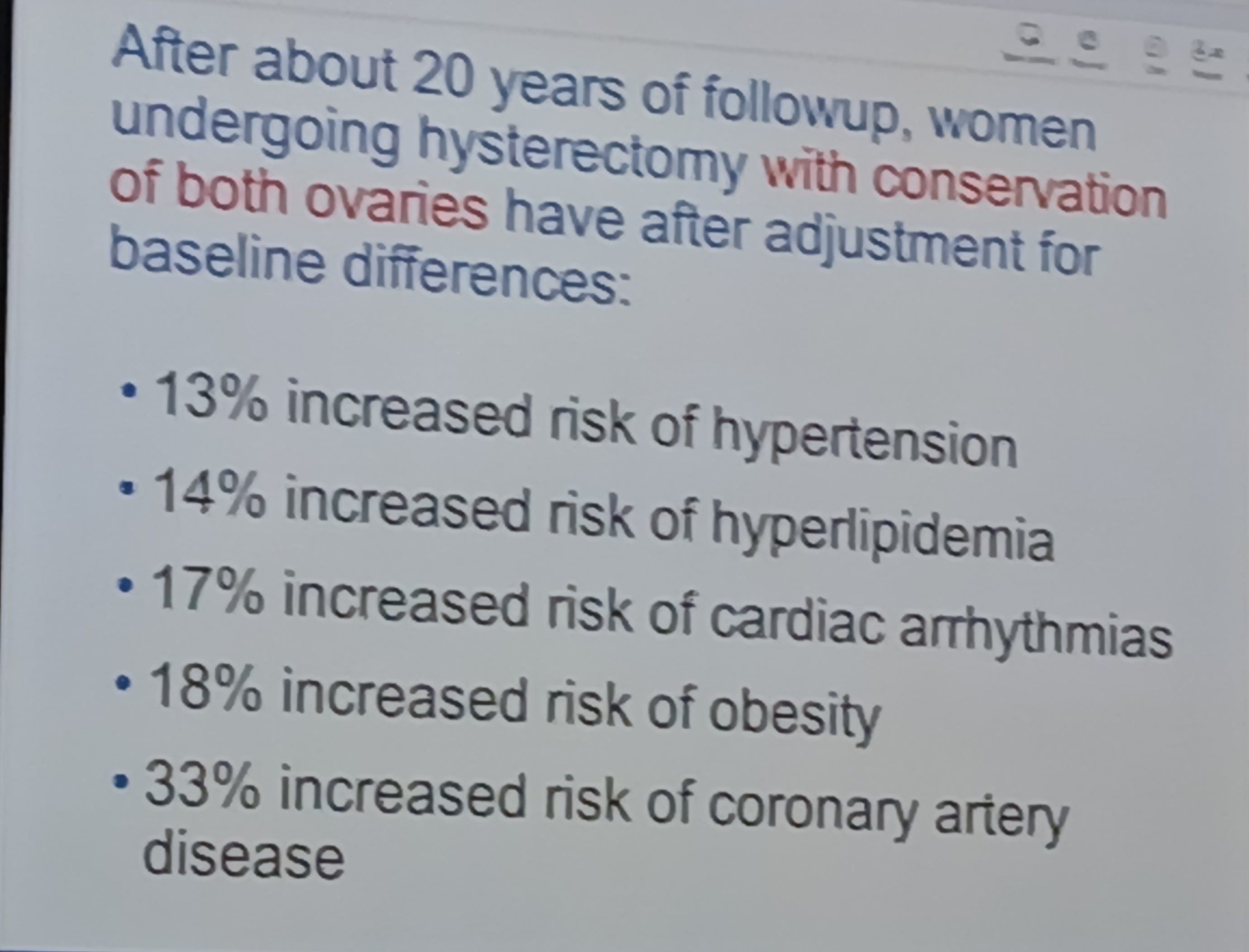
Another standout moment was when Professor Elizabeth Stewart from the US presented the long‑term risks of hysterectomy. She had the data: hysterectomy increases morbidity by 45%. There was also an increase in mental health conditions, along with a 33% increase in coronary artery disease. This was a reminder that hysterectomy is not as simple as removing the uterus. It has long‑term consequences that deserve careful discussion and informed decision‑making.
This is the kind of education clinicians up and down the country need to hear. Whilst I understand the strain they are under, there is no condoning dismissive behaviour when it comes to women’s health. Each woman needs to be treated respectfully and feel seen and heard in the consulting room.
The Future of Fibroid Care
Scientific consensus and market trends both point to a future where one‑size‑fits‑all treatments are replaced by personalised plans that prioritise preserving the uterus. For many women, the primary challenge is no longer a lack of options, but rather access to specialised care and education about which modern, uterus‑sparing treatments are most appropriate for their specific anatomy and life goals.
What This Means for Women
First: the summit strengthened what I’ve believed for a long time — women deserve personalised care, better informed choices, and to be treated as individuals.
Second: whilst the outcome of the summit was overwhelmingly positive, there are still realities women must be aware of. The future of women’s health is definitely looking upwards.
The Reality of Hysterectomy

I was in a Facebook group the other day and came across a woman who was recommended a hysterectomy for heavy bleeding.
If you’ve read this far, perhaps you recognised yourself in this article. Maybe you’ve left appointments with more questions than answers. Perhaps you were told what your options are, but not why your body developed fibroids in the first place. Or maybe you’ve simply grown tired of trying to piece everything together on your own.
That gap between conventional care and truly understanding your body is exactly where I work.
By using your voice you can gain a different perspective about your body by identifying energetic patterns that may help guide the next stage of your health journey. The voice scan offers a personalised starting point for women like you who want to explore their health beyond symptom management and begin asking deeper questions.
If you’re ready to stop guessing and start understanding your body in a more personalised way, I’d love to invite you to begin with your personalised voice scan.
You deserve to know why your body created fibroids. The voice scan will show you that.
Disclaimer
This article is for informational and educational purposes only. It is not intended to be a substitute for professional medical advice, diagnosis, or treatment. Always seek the advice of your physician or other qualified health provider with any questions you may have regarding a medical condition. Never disregard professional medical advice or delay in seeking it because of something you have read in this article.
I am not a medical professional, and the information shared here is based on personal experiences, two decades of knowledge on working on myself, the many brilliant teachers who have taught me everything I know; but most of all and the most important is the insights from my clients. Always consult with a healthcare professional before making any changes to your health regimen or starting a new treatment plan.
Your health and well-being are unique to you, and it’s important to take a tailored approach under the guidance of a qualified expert.
Your Uterus and Your Long-Term Health: Part 2

If you read last week’s piece, The Reality of Hysterectomy, you already know that the uterus is far more than a holding container for babies. You learned about its role in pelvic support, its critical connection to ovarian blood flow, and the long-term risks to your heart and bones that rarely, if ever gets mentioned during consent discussions.